
Popular Foundation Repair Equipment To Fix Foundation Damage
Identify reliable tools and materials that help you perform durable and efficient foundation repairs.
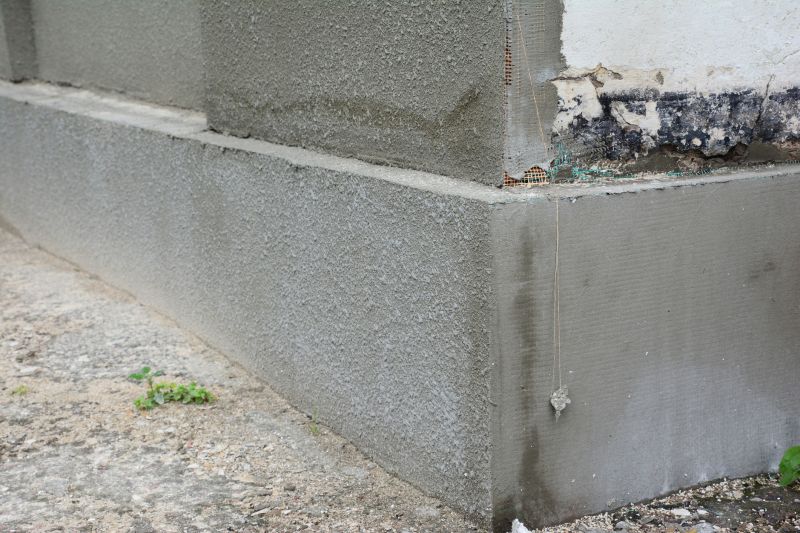 Foundation repairs are a critical aspect of maintaining the structural integrity of a building. When signs of foundation issues appear, such as cracks in walls, uneven flooring, or doors and windows that do not close properly, it is essential to consider appropriate repair solutions. Various products are designed to address different types of foundation problems, ranging from minor settling to significant structural shifts. Selecting the right products involves understanding the specific needs of your property and the underlying causes of the foundation issues.
Top Overall Option
Hydraulic Push Pier System
The hydraulic push pier system is a versatile foundation support solution that can be used to stabilize and lift settling foundations. It involves installing steel piers beneath the foundation and using hydraulic jacks to carefully lift and support the structure. This method is often suitable for various soil types and foundation styles, providing a reliable means to address significant settlement issues. Proper installation by trained professionals can help ensure the longevity and stability of the repair.
Types of Products For Foundation Repairs
Hydraulic Push Piers
Steel piers driven into the ground to support and lift foundations affected by settling or movement.
Helical Piers
Rotatable steel piers that can be installed in tight spaces and are suitable for various soil conditions.
Underpinning Systems
Supports that extend the foundation to more stable soil layers, often involving concrete or steel components.
Wall Anchors
Anchors installed into the soil and attached to foundation walls to prevent bowing and cracking.
Epoxy Injection Kits
Materials used to fill cracks and bond concrete surfaces to restore strength and prevent water intrusion.
Soil Stabilization Materials
Injectable grout or chemical solutions that improve soil compaction and reduce shifting.
Void Fillers
Foams or grouts used to fill voids beneath slabs or foundations caused by erosion or settling.
Concrete Patching Compounds
Products designed to repair cracks and surface damage on foundation walls or slabs.
Foundation Bolts and Brackets
Hardware used to reinforce and secure foundation elements and structural components.
Drainage and Moisture Control Systems
Solutions such as French drains and waterproof membranes to manage water flow and reduce soil movement.
Grouting Materials
High-pressure grout used to fill voids and stabilize soils around the foundation.
Foundation Jacking Systems
Mechanical jacks used to lift and level sunken or uneven foundations.
Popular Choices
Commonly used for stabilizing settling foundations by driving steel piers into load-bearing soil layers.
Often selected for their adaptability to different soil conditions and ease of installation.
Widely used for sealing cracks and restoring concrete surfaces on foundation walls.
Popular for improving soil strength around foundations to prevent future movement.
Frequently chosen to correct bowing or leaning basement walls.
Used to reinforce and secure foundation elements during repairs.
Utilized for raising and leveling foundations and slabs.
Effective for filling voids beneath slabs and preventing further settling.
Commonly installed to improve water runoff and reduce soil erosion around foundations.
Popular for surface repairs and crack sealing on foundation walls.
Used to secure foundation components and prevent movement.
Applied to foundation walls to prevent water intrusion and reduce pressure on the structure.
In Grosse Pointe, MI, where soil conditions and weather patterns can influence foundation stability, homeowners and contractors often turn to a variety of repair products to stabilize and reinforce foundations. These products are intended to provide long-term support, prevent further movement, and restore the property's safety and usability. Proper application and the right product choice are vital for effective repairs, making it important to consider product specifications, compatibility, and installation requirements.
Foundation repair products can vary widely, including hydraulic jacks, underpinning systems, wall anchors, epoxy injections, and soil stabilization materials. Each type serves a different purpose, whether lifting a settling foundation, reinforcing cracked walls, or filling voids beneath the slab. Understanding the functions and limitations of each product type helps ensure that repairs are both effective and durable. Consulting with a foundation specialist can help determine the most suitable options for your specific situation.
Ultimately, investing in quality foundation repair products can contribute to the longevity and safety of your property. Regular inspections and timely repairs are key to preventing more extensive and costly damages down the line. When choosing products, prioritize those that are designed for your foundation type and soil conditions, and always follow manufacturer instructions for installation and safety.
Key Buying Considerations
- Assess the specific foundation issue to determine the appropriate product type.
- Consider the soil conditions and how they may influence product selection and installation methods.
- Evaluate the load-bearing capacity of the repair products relative to your foundation's needs.
- Check compatibility with existing foundation materials and structures.
- Review installation requirements and whether professional assistance is recommended.
- Determine the longevity and durability of the repair materials under local climate conditions.
- Ensure the products comply with local building codes and standards.
- Consider ease of application and whether specialized equipment is needed.
- Evaluate the potential for future repairs and whether the product allows for adjustments or reapplications.
- Research manufacturer reputation and warranty options for the products.